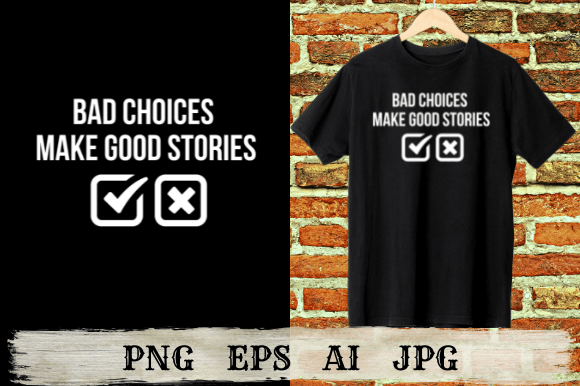
Bad Choices Make Good Stories
Life is full of moments that don’t go as planned. Those awkward decisions, the ones we wish we could undo, often become the most compelling parts of our narratives. Bad choices make good stories because they reveal character, create tension, and offer lessons in unexpected ways. Whether you're crafting a novel, designing a logo, or brainstorming a new product line, these flawed moments can be powerful creative fuel.
The phrase “bad choices make good stories” isn’t just about regret—it’s about transformation. It’s how a misstep becomes a turning point, a mistake leads to innovation, or an error sparks a new idea. This concept is especially valuable for creators and designers who need fresh inspiration to stand out in crowded markets.
The Power of Imperfection in Storytelling
Stories thrive on conflict, and bad choices are a rich source of conflict. They introduce complications, force characters to grow, and create emotional depth. For writers, this means more engaging plots. For visual creators, it translates into designs that feel authentic and relatable.
Consider a farmhouse sign that reads, “I Tried to Be Perfect and Failed.” It’s not just a statement—it's a conversation starter. It invites people to reflect on their own experiences with failure and growth. This kind of storytelling resonates because it’s honest, human, and universally relatable.
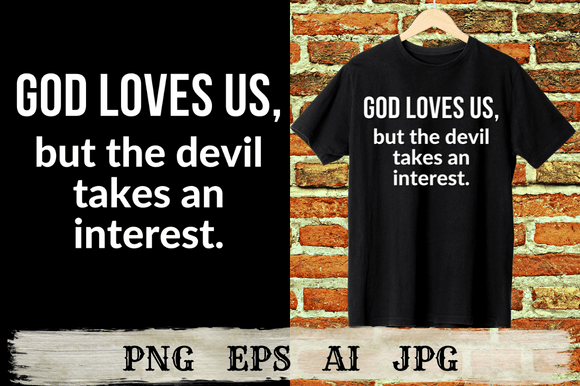
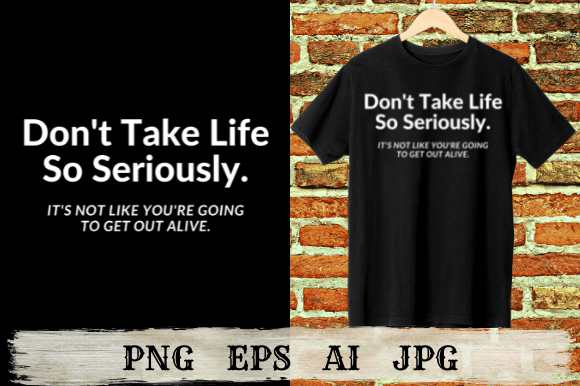
Designers working in farmhouse decor, mugs, or stickers can use this theme to craft products that speak to personal journeys. A t-shirt with the text “My Worst Decision Was Leaving My Comfort Zone” might seem humorous, but it also encourages reflection and connection.
Creative Applications Across Mediums
Podcasts and Blogs: Content creators can explore how bad choices lead to breakthroughs. Share real-life examples of entrepreneurs who failed and then succeeded. Use storytelling techniques that highlight the emotional arc of each journey.
Graphic Design: Create logos or branding that subtly incorporate the theme of overcoming mistakes. Think of a logo with broken lines that eventually form a complete shape—symbolizing how errors lead to success.
Social Media: Use short, impactful captions that tie back to the theme. “Bad choices make good stories. #GrowthMindset” or “Every mistake was a step closer to where I am now. #DesignInspo” can spark engagement and discussion.
Print Products: Business cards, greeting cards, or planner prints can feature quotes or illustrations that reflect the power of learning from bad choices. A card with a simple line like “Turn your worst day into your best story” can be both motivational and memorable.
How to Adapt the Theme for Different Audiences
Entrepreneurs may find value in using the theme to market resilience and innovation. A small business owner can create a poster that says, “We made some bad choices… and here we are.” It builds brand personality and shows authenticity.
Educators can use this concept to teach students about problem-solving and perseverance. A classroom project might involve writing a short story based on a time when a bad decision led to a positive outcome. This approach helps students understand that failure is part of the learning process.
Freelancers and creatives can use the theme to build a personal brand centered around growth and adaptability. A blog post titled “The 5 Bad Choices That Built My Career” can attract readers looking for real-world advice and inspiration.
Practical Tips for Using the Theme Effectively
1. Stay Authentic: Avoid clichés and overused phrases. Let your voice come through naturally. If you’re sharing a personal story, be genuine about the emotions involved.
2. Focus on the Outcome: Highlight what was learned from the bad choice. People connect with stories that show growth, not just regret.
3. Keep It Visual: When designing products or graphics, use imagery that complements the message. A broken puzzle piece that fits into a larger picture can visually represent the theme.
4. Know Your Audience: Tailor your message to resonate with your target demographic. A young entrepreneur might relate more to stories about taking risks, while an older audience might appreciate tales of redemption and second chances.
5. Encourage Interaction: Invite your audience to share their own stories. This creates community and makes your content more engaging. A social media post asking, “What was your biggest bad choice and what did you learn?” can generate meaningful conversations.
Final Thoughts
Bad choices make good stories because they remind us that perfection is not the goal—growth is. Whether you're a writer, designer, marketer, or entrepreneur, embracing this concept can open up new creative possibilities. It’s a reminder that even our mistakes have value, and that every story has the potential to inspire, connect, and transform.
So next time you’re stuck for ideas, think about the choices that didn’t go as planned. There’s a story there—one that could become your next great project, design, or moment of connection with others.